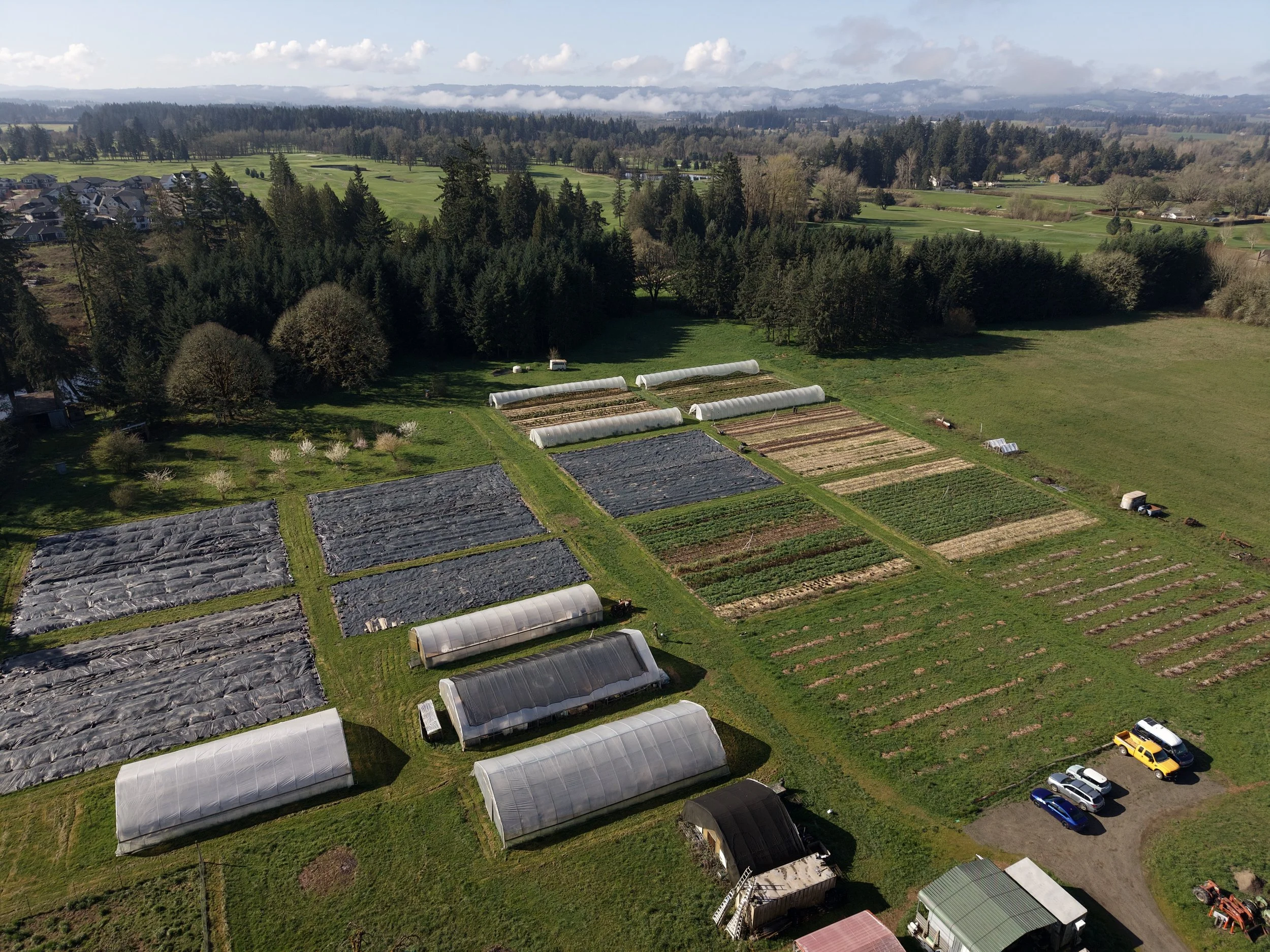
Empowering youth, healing land, and feeding our community through regenerative farming.
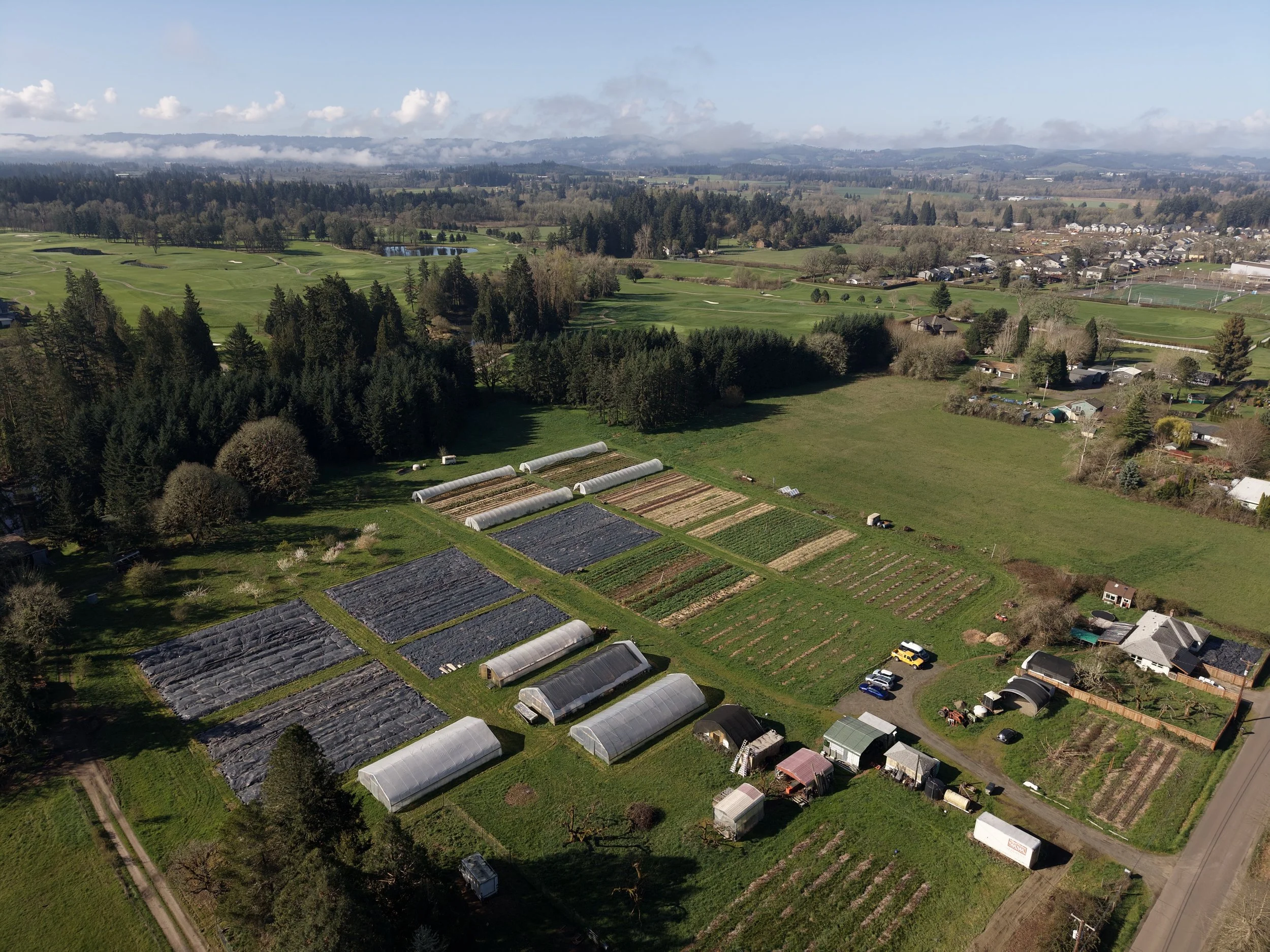
Working Theory Farm is an agricultural youth services organization where farming becomes a pathway for healing land, strengthening community food access, and empowering young people.
On this 24 acres of regenerative, no-till farming, youth — many facing barriers in traditional systems, including incarceration — earn income while growing fresh, pesticide-free food for families in our community.
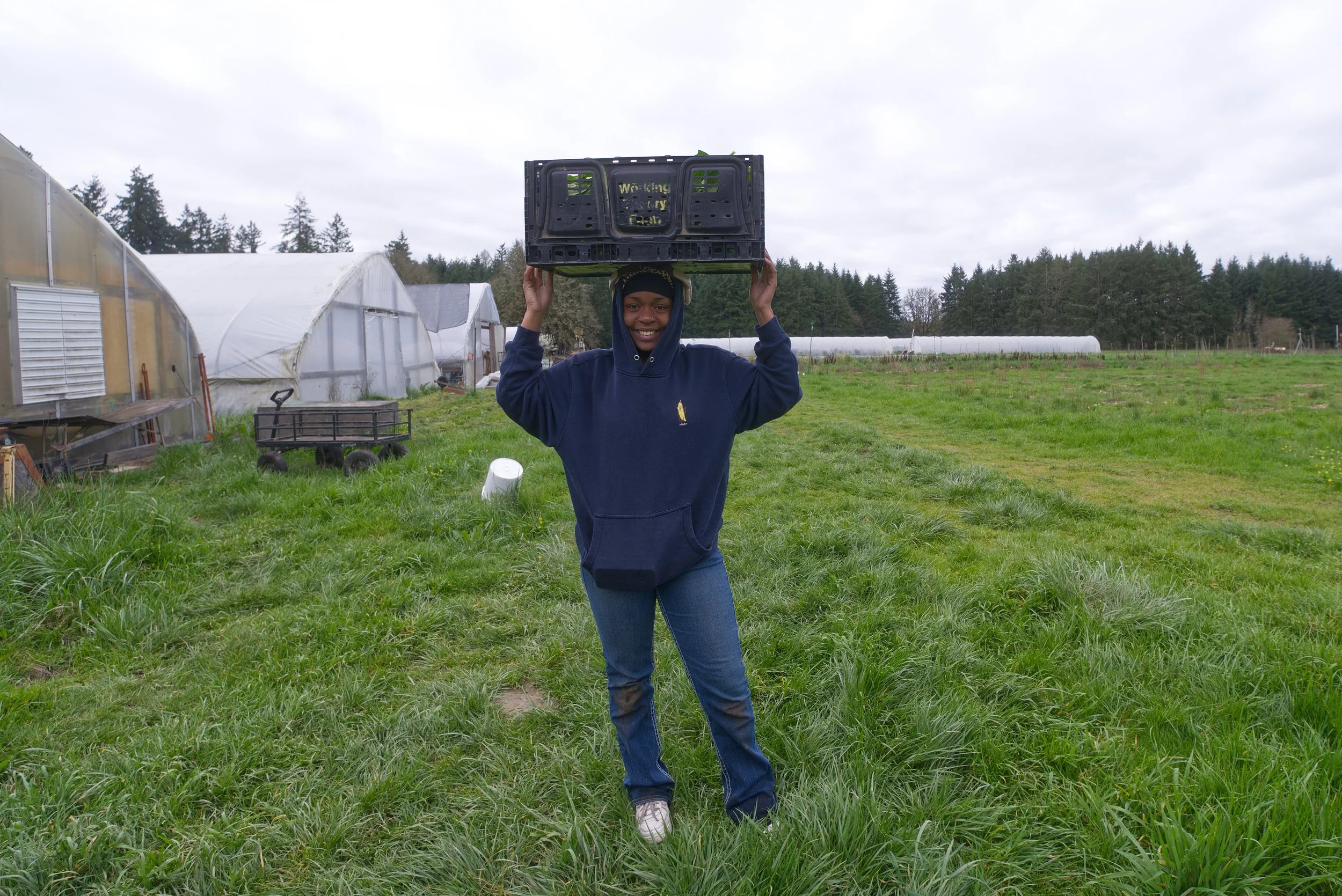
Through the shared work of tending vegetables and raising livestock, youth learn that caring for the land and feeding their neighbors can also nurture their own growth.
The land begins to heal from the harms of industrial agriculture through regenerative practices, and the community gains access to fresh, pesticide-free food.
Here, farming is a shared work. Youth employees, volunteers, and farm leadership work side-by-side in the fields. And just like the work is shared, so is the harvest.
Our mission is to empower youth through the shared work of farming to grow food for partner organizations who distribute this food to families in need.
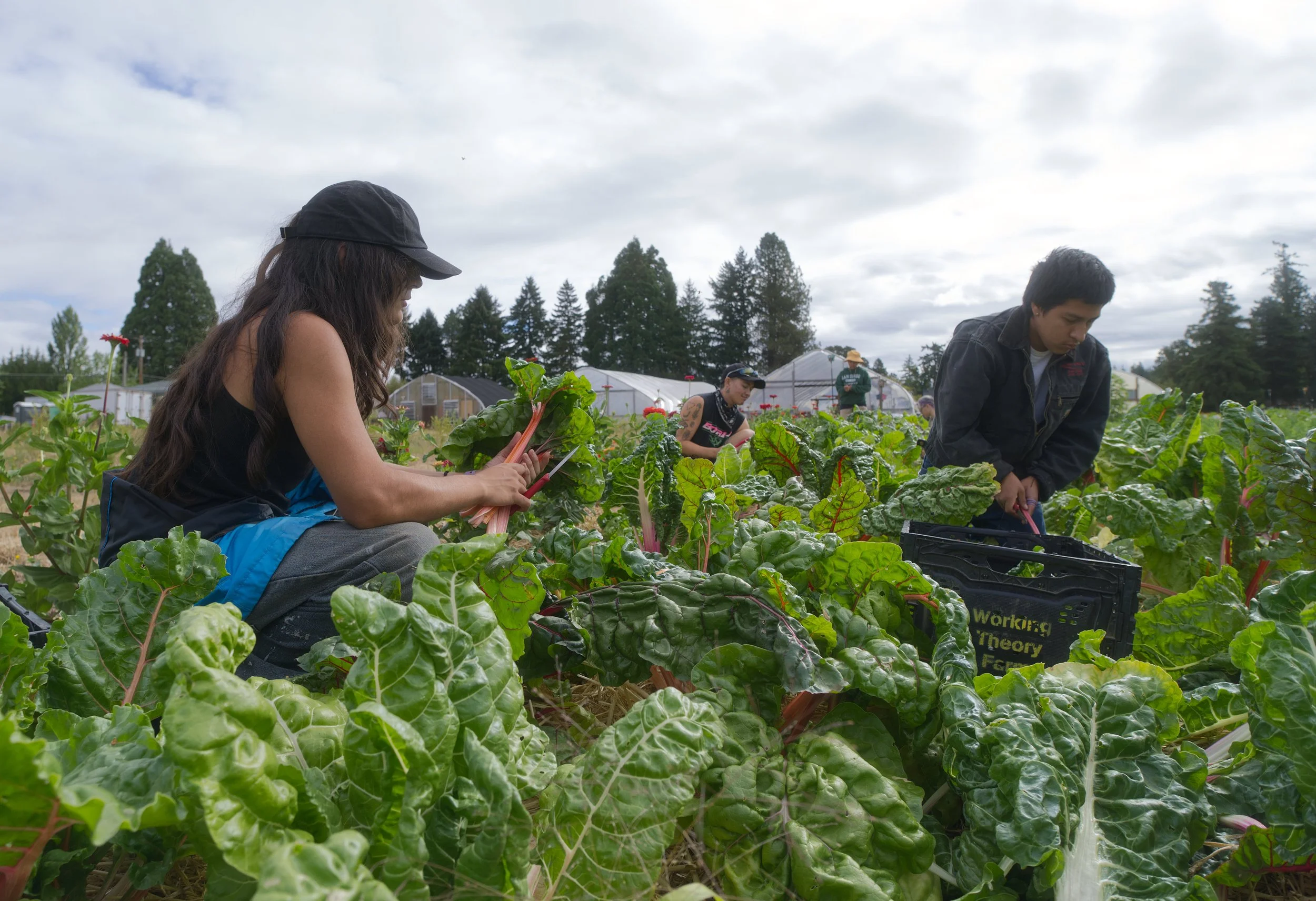
Most of the food we grow is distributed to families who need it most through partners like Centro Cultural’s Free Food Mercado, where neighbors reconnect with the rhythm of the seasons and produce they know well, and grows well, under a different sun.
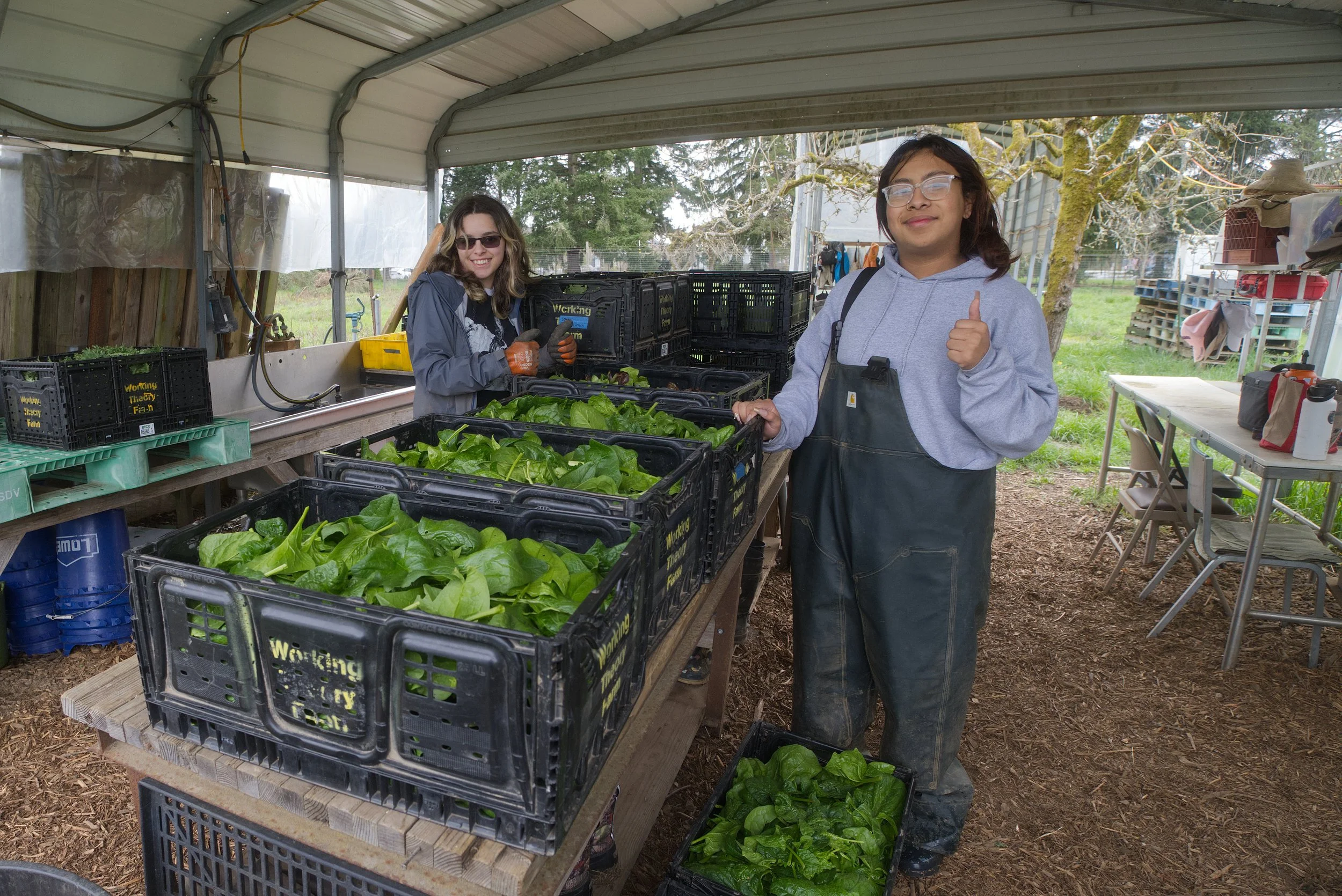
A portion of our produce — along with our pasture-raised eggs and pasture-raised pork — is offered through our CSA membership to help support our youth programming.
Every season, young people who often face barriers to employment, integration, immigrant assimilation, land, and cultural connection step onto the farm and experience mentoring support, shared work, trust, responsibility, and belonging.
As youth gain confidence and competence, they take on greater responsibility in stewarding the care of crops and livestock, and leading their peers, developing a deeper sense of investment in the farm and its outcomes.
"I came to the farm hoping to learn basic farming skills. It ended up being far more transformative than I imagined. I didn’t just learn how to grow food — I gained confidence, leadership skills, and a deeper love for supporting my community."
— WTF Youth
The Farm also offers something that many youth, and their ancestors, haven’t gotten to experience: space to breathe, move, and reconnect with the natural world.
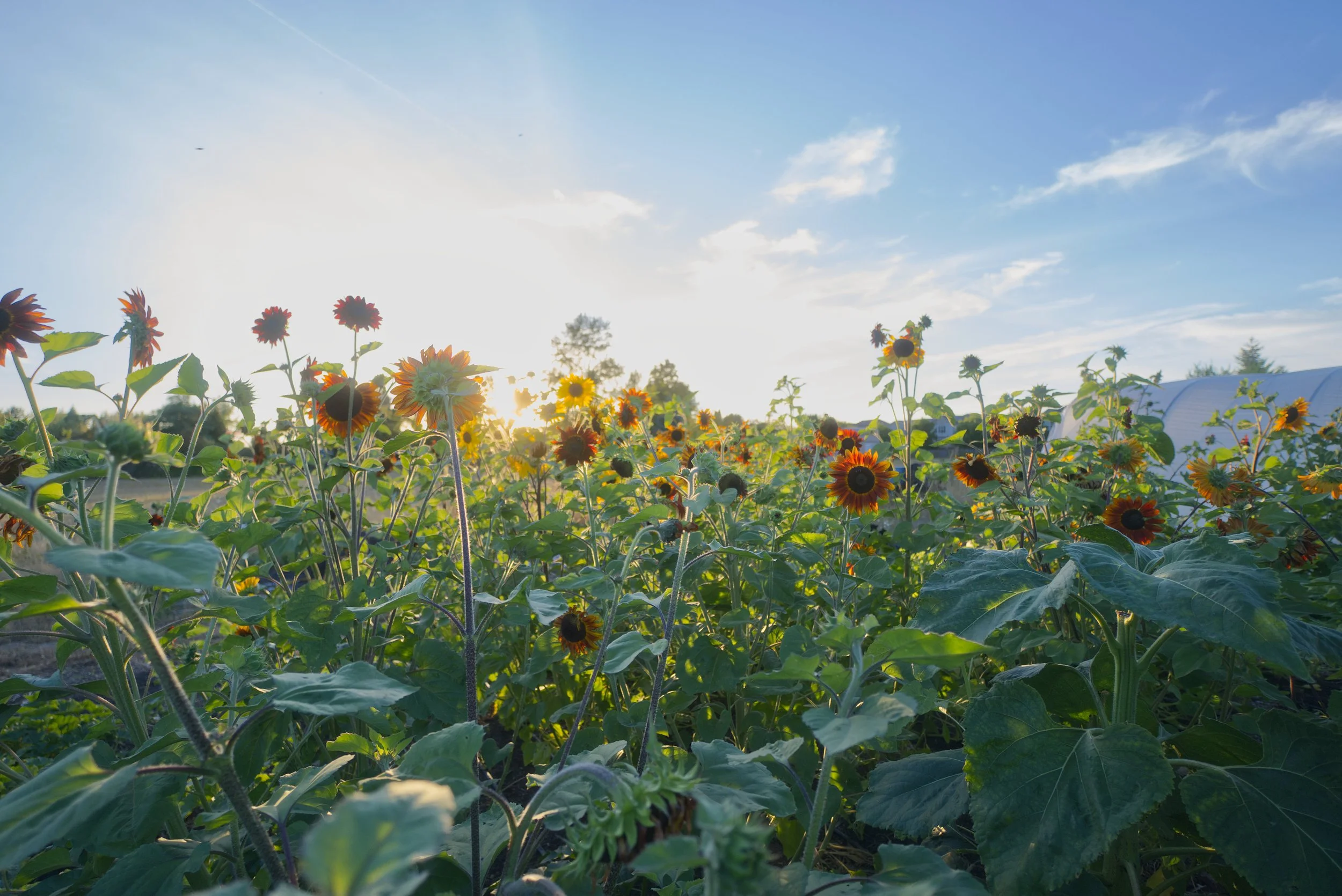
"Outdoor spaces and fresh air help youth feel free, and experiencing this feeling in a healthy way is essential for youth who have been referred or detained."
— Ximena Ospina, Director of Latino Network’s Youth Violence Prevention Program
We believe that access to fresh, organic food is a right, not a privilege.
And we believe agriculture must care for the land, the animals, and the people doing the work.

When we work the soil with our hands, it becomes clear that we are not separate from nature — we are part of it.
Why? •¿Por qué? •چرا
Why Youth?
1
Young people deserve meaningful work, mentorship, and the chance to see themselves as capable of shaping the future.
Many of the youth we work with have faced barriers in school, employment, housing, immigration, and face or have faced the justice/carceral system. The farm offers an alternative environment where they can build skills, earn income, and develop confidence through real responsibility.
Working with the land also offers something harder to measure: patience, purpose, and the experience of caring for something larger than themselves.
Why Culturally Specific Crops?
2
Food is more than nutrition — it is culture, memory, and identity.
We grow crops that reflect the cultural traditions of the communities we serve, including many Latino and immigrant families in Washington County. When people can access the foods they grew up with, food distribution becomes more than charity — it becomes connection, dignity, and belonging.
Growing culturally meaningful crops ensures that the food we share truly nourishes our community.
Why No-Till?
3
Most modern agriculture relies on heavy tilling, which disrupts soil structure, releases stored carbon, and harms the living ecosystem underground.
No-till farming protects the soil. By minimizing disturbance, we allow microorganisms, fungi, and earthworms to rebuild healthy soil structure. Over time this increases fertility, improves water retention, and stores carbon in the ground.
Healthy soil grows healthier food — and it allows our farm to care for the land long into the future.
Why Regenerative Agriculture?
4
Regenerative agriculture goes beyond sustainability. Instead of simply maintaining the land or extracting from it, it actively restores soil health, biodiversity, and ecological balance.
WTF practice cover cropping, tarping, mulching, “use of trap crops,” and fish emulsions, and absolutely no pesticides or fertilizers ever.
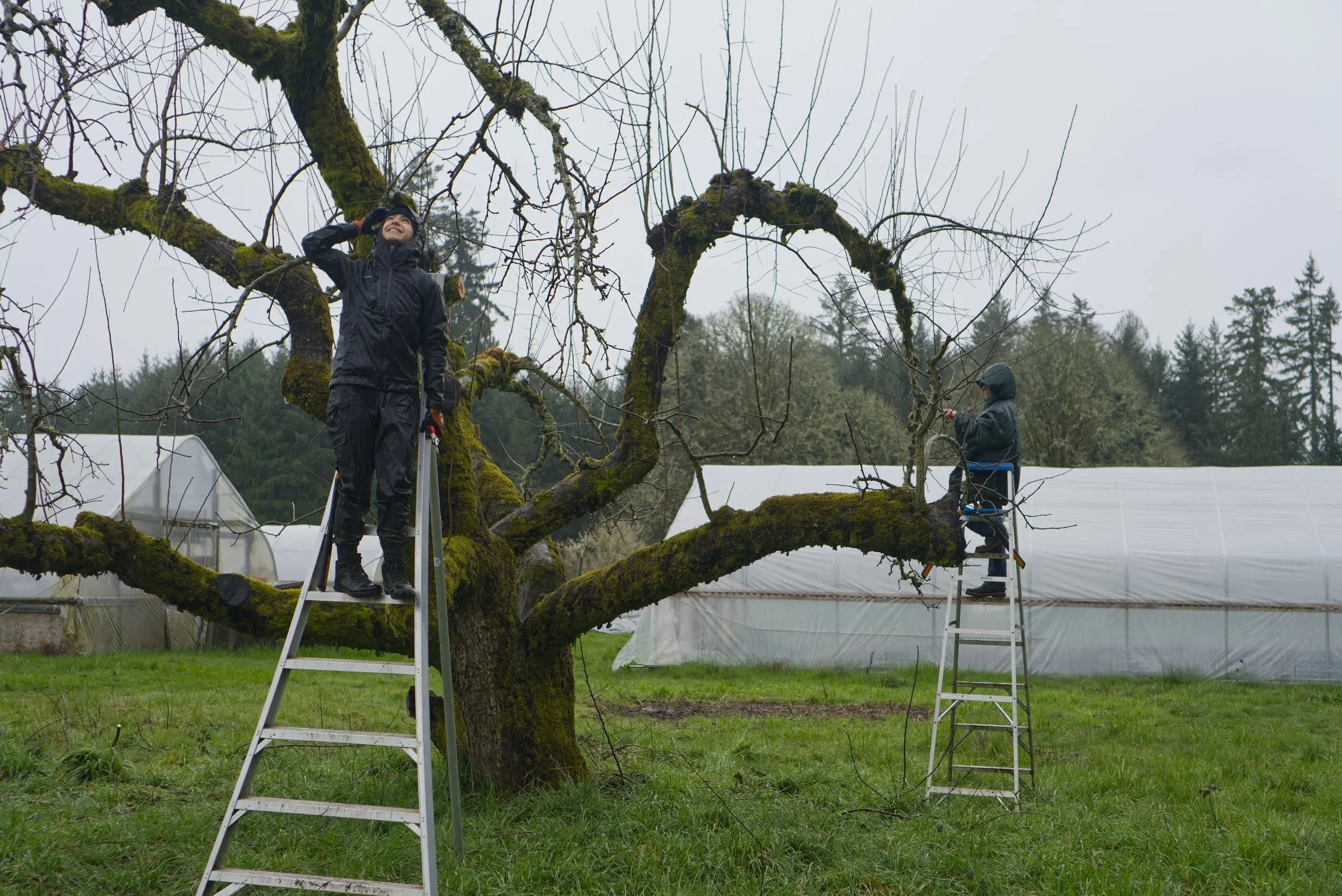
Our egg-laying chickens and pigs are “pasture-raised," which means that they spend their entire lives outside and in an environment as close to their natural habitat as possible. Leading to healthier, happier animals than those confined in modern meat and egg-producing factories. (They also get to enjoy the harvest bounty of the harvest that we may pass on, but that they love.)
Together, plants, animals, and soil work as a living system that grows stronger each season.